Keeping your family's immune system strong this winter shouldn't rely only on the kids vitamins and adult supplements in your cupboard; it should start in the kitchen. The moment temperatures drop and sneezes and coughs start circulating in classrooms and offices, you need to keep your defenses up.
TL;DR: The Best Winter Foods for Family Immune Support
Stock your kitchen with citrus fruits, broccoli, eggs, red bell peppers, turmeric, oily fish, garlic, ginger, pumpkin seeds, and Greek yogurt. Together, these foods supply vitamin C, vitamin D, omega-3s, zinc, protein, and gut-friendly bacteria that support your family's immune system all season. Kids vitamins can help fill gaps on hectic days, but food should do most of the work.
| Food | What it brings to the table |
|---|---|
| Citrus fruits | Vitamin C |
| Broccoli | Vitamin C, vitamins A, E, and K, antioxidants, fiber |
| Eggs | Protein, vitamin D, lutein, zeaxanthin |
| Red bell peppers | Vitamin C, beta-carotene |
| Turmeric (with black pepper) | Curcumin, an antioxidant compound |
| Oily fish | Omega-3 fatty acids |
| Garlic | Allicin |
| Ginger | Antioxidant and anti-inflammatory compounds |
| Pumpkin seeds | Zinc |
| Greek yogurt | Live cultures (probiotics), protein |
Why Should Winter Immune Support Start in the Kitchen?
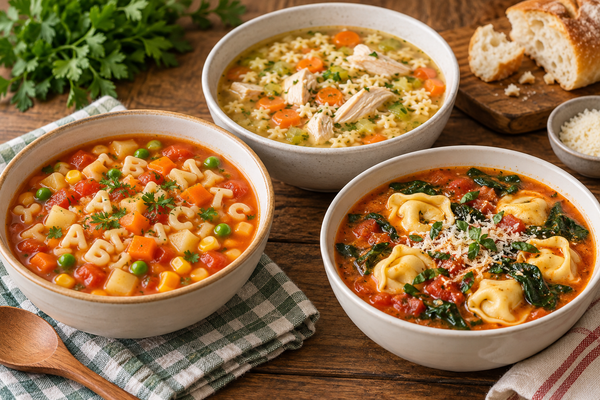
 A winter-ready kitchen starts with a few nutrient-dense staples.
Eating more fruits and veggies doesn't just fuel your body; it can lift your mood, too. Research suggests these healthy choices may be a long-term investment in your mental well-being and overall happiness.1
10 Immune-Supporting Foods to Stock Alongside Kids Vitamins
Here are 10 must-haves in every kitchen:
1. Citrus Fruits
Think of oranges, grapefruits, and lemons! These zesty fruits offer a source of vitamin C that you can easily add to any meal. Just squeezing lemon and grapefruit into your daily water jug, along with a few lemon slices, makes any water taste refreshing and delightfully tangy.

2. Broccoli
A nutrient-dense little vegetable. It's packed with vitamin C and also provides vitamins A, E, and K, plus antioxidants and fiber that help your family stay healthy throughout the year.
3. Eggs
The most versatile ingredient that even kids love! Eggs are an excellent source of protein and one of the few foods that naturally contain vitamin D, which supports immune function and healthy bones and muscles. The yolks also carry lutein and zeaxanthin, two nutrients linked to eye health.
4. Red Bell Peppers
The surprise vitamin C champion! Half a cup of raw red bell pepper delivers about 95 mg of vitamin C, more than a medium orange (about 70 mg), which makes it a great alternative if you've run out of citrus fruits. Red peppers also carry carotenoids like beta-carotene,2 which your body turns into vitamin A to support healthy skin and eyes.
5. Turmeric
The antioxidant-rich, anti-inflammatory seasoning for your dishes! Turmeric gets its golden color from curcumin. Pair it with black pepper, which contains piperine, a compound that enhances the absorption and bioavailability of curcumin.3
6. Oily Fish
Salmon, mackerel, tuna, and trout contain omega-3s, which support growth, immunity, and heart health. For the biggest omega-3 boost, go for mackerel or salmon, which rank among the richest sources. When you shop for kids, choose Atlantic or Pacific mackerel; the FDA advises families to avoid king mackerel because of its high mercury levels.

7. Garlic
A flavorful veggie that pairs well with most of your savory dishes. When you crush or chop garlic, it forms allicin, a compound that research links to stronger immune responses.4 Most of that evidence comes from lab and animal studies, so enjoy garlic as one helpful piece of a balanced plate.
8. Ginger
Your soothing tea ingredient. People have used ginger for its antioxidant and anti-inflammatory properties for centuries, and many families still reach for it to calm a sore throat or ease nausea. It's also a little upgrade to your main dishes.
9. Pumpkin Seeds
The tasty, crunchy snack that you can easily add to yogurts and trail mixes. They're packed with zinc, a mineral your family's immune system needs to work properly. For kids under 4, grind the seeds first, since whole seeds pose a choking risk.
10. Greek Yogurt
The yummy gut defense! Greek yogurts labeled with "live and active cultures" contain good bacteria that support your digestive health. A healthy gut also plays a part in how well your immune system works.

Ready To Try A Calmer Bedtime?
Get 20% off your first subscription order — cancel anytime.
SHOP MAGNESIUM GUMMIES
How Food and Kids Vitamins Work Together
You don't need a flawless meal plan to see results. Even with hectic schedules and picky eaters, small, consistent additions can make a real difference in your family's health. Let nutrient-dense foods and adult and children's gummy supplements work hand-in-hand to keep your household thriving this cold season.
Where Dr. Moritz Gummies Fit In

On days when the broccoli stays on the plate, a daily gummy can help cover the gaps. A few Dr. Moritz options pair naturally with the foods above:
- Kids Multivitamin Gummies: a gluten-free, non-GMO daily gummy with vitamin C, vitamin D, and zinc, made for kids ages 2 and up.
- Kids Omega 3 Gummies: DHA and EPA with added vitamin C, a helpful backup for kids who won't touch fish.
- Adults Vegan Omega 3 DHA & EPA: a vegan omega-3 option for the grown-ups in the house.
Food first, gummies second. The American Academy of Pediatrics notes that healthy kids who eat a balanced diet usually don't need vitamins beyond the recommended daily amounts, and very large doses can cause problems. Talk with your pediatrician before starting any supplement, follow the label, and store gummies out of kids' reach, since little ones can mistake them for candy.
Build Your Family's Winter Routine
Stock the kitchen with these 10 foods, then add a daily gummy for the days when picky eaters win the dinner-table standoff.
Shop Dr. Moritz gummies Shop on Amazon
Free shipping on orders over $30, plus 30% off your first subscription order. Dr. Moritz may change offers at any time.
Kids Vitamins and Winter Foods: Frequently Asked Questions
Do kids need vitamins if they already eat a healthy diet?
Not always. The American Academy of Pediatrics says healthy children who eat a balanced diet usually don't need vitamins beyond the recommended daily amounts. Kids vitamins can help cover gaps for picky eaters or children on restricted diets, so ask your pediatrician whether a daily gummy makes sense for your child.
Which food has more vitamin C than an orange?
Red bell peppers. Half a cup of raw red pepper provides about 95 mg of vitamin C, while a medium orange provides roughly 70 mg. Eating peppers raw preserves the most vitamin C, since heat breaks it down.
Which fish has the most omega-3s?
Mackerel and salmon usually rank among the richest sources of omega-3s, though amounts vary by species, season, and whether the fish is wild or farmed. For kids, stick with lower-mercury choices such as salmon, trout, and Atlantic mackerel, and skip king mackerel.
Are pumpkin seeds safe for toddlers?
Whole seeds can cause choking in children under 4. Grind pumpkin seeds into a fine powder and stir them into yogurt or oatmeal, or wait until your child is older to serve them whole.
How can I get picky eaters to try these foods?
Start with the easy wins on this list: lemon water, eggs, and Greek yogurt with ground pumpkin seeds. Small, consistent additions matter more than a perfect meal plan, and kids vitamins can help bridge the gap while their tastes grow.
Sources
- Wahl, D. R., Villinger, K., König, L. M., Ziesemer, K., Schupp, H. T., & Renner, B. (2017). Healthy food choices are happy food choices: Evidence from a real life sample using smartphone based assessments. Scientific Reports, 7, 17069. Link to study
- Choi, M. H., Kim, M. H., & Han, Y. S. (2022). Physicochemical properties and antioxidant activity of colored peppers (Capsicum annuum L.). Food Science and Biotechnology, 32(2), 209–219. Link to study
- Widjanarko, N. D., Tamio, E., Jusni, L. F. J., Alvianto, S., Arifin, E. S., & Iryaningrum, M. R. (2024). Effects of combination of curcumin and piperine supplementation on glycemic profile in patients with prediabetes and type 2 diabetes mellitus: A systematic review and meta-analysis. Journal of the ASEAN Federation of Endocrine Societies, 39(1), 106–114. Link to study
- Feng, Y., Zhu, X., Wang, Q., Jiang, Y., Shang, H., Cui, L., & Cao, Y. (2012). Allicin enhances host pro-inflammatory immune responses and protects against acute murine malaria infection. Malaria Journal, 11, 268. Link to study